Creamy Mustard Tarragon Chicken Recipe
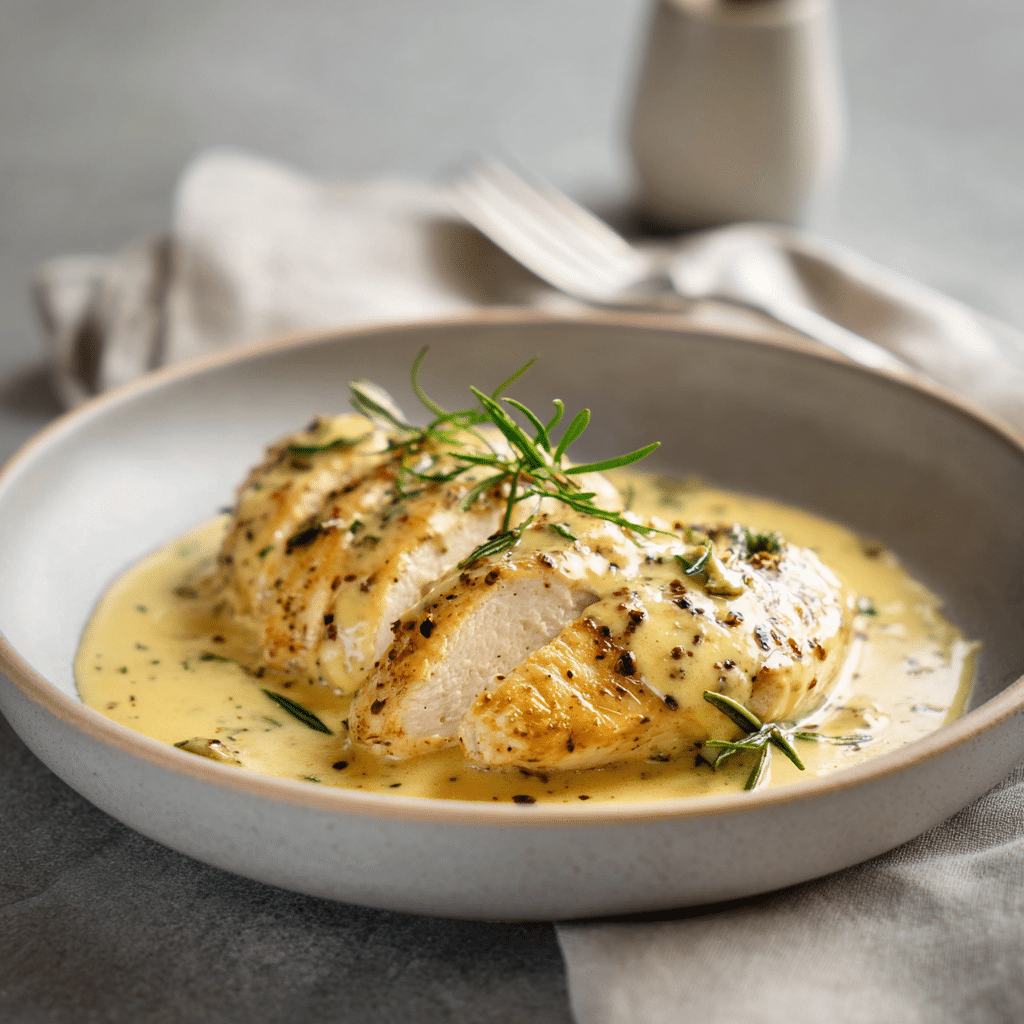
If you’re craving a dish that feels like a warm hug from French bistro cuisine, let me introduce you to the magic of Creamy Mustard Tarragon Chicken. This dish combines tender, golden-seared chicken thighs with a luscious sauce made from tangy Dijon mustard, rich cream, and aromatic fresh tarragon. It’s the kind of meal that impresses without demanding hours in the kitchen, bringing a perfect harmony of flavors to your table in just about 30 minutes. Whether it’s a weeknight dinner or a special occasion, this recipe delivers that dreamy comfort and elegance you never knew you needed.
Ingredients You’ll Need
These ingredients are simple yet essential, each one playing a vital role in crafting the perfect balance of flavors and textures. The juicy chicken thighs provide a hearty base, the Dijon mustard brings a subtle tang, the cream creates a velvety richness, and the fresh tarragon adds a fragrant, slightly sweet herbal note that makes this dish unforgettable.
- Chicken Thighs: Choose skin-on, bone-in thighs for maximum flavor and juiciness.
- Dijon Mustard: Delivers a sharp, tangy kick that brightens the creamy sauce.
- Cream: Use heavy cream to create a rich, smooth texture that coats every bite.
- Fresh Tarragon: Provides a subtle anise-like aroma that elevates the entire dish.
How to Make Creamy Mustard Tarragon Chicken
Step 1: Prepare and Sear the Chicken
Start by patting your chicken thighs dry with a paper towel—this step is crucial for getting that beautiful golden crust. Season them lightly with salt and pepper. Heat a skillet over medium-high heat and add a splash of oil. Place the chicken thighs skin-side down and cook them until they are golden brown and the skin is wonderfully crisp, about 5-7 minutes. Flip and sear the other side for a few minutes. This initial searing locks in juices and gives the dish its signature texture.
Step 2: Create the Mustard Cream Sauce
Once the chicken is beautifully seared, remove it to rest briefly while you prepare the sauce. Lower the heat and add a dollop of Dijon mustard to the pan, stirring to blend with the fond—the delicious browned bits. Pour in the heavy cream and gently whisk to combine. Let the sauce simmer, thickening slightly and absorbing all those browned bits’ concentrated flavors. This is where the magic of Creamy Mustard Tarragon Chicken really starts to shine.
Step 3: Finish with Fresh Tarragon
Stir in a generous handful of chopped fresh tarragon into the mustard cream sauce. The herb’s bright and slightly sweet flavor perfectly balances the richness of the cream and the sharpness of the mustard. Nestle the chicken back into the pan to warm through and soak up the flavors, ensuring every bite is infused with that irresistible tarragon essence.
How to Serve Creamy Mustard Tarragon Chicken
Garnishes
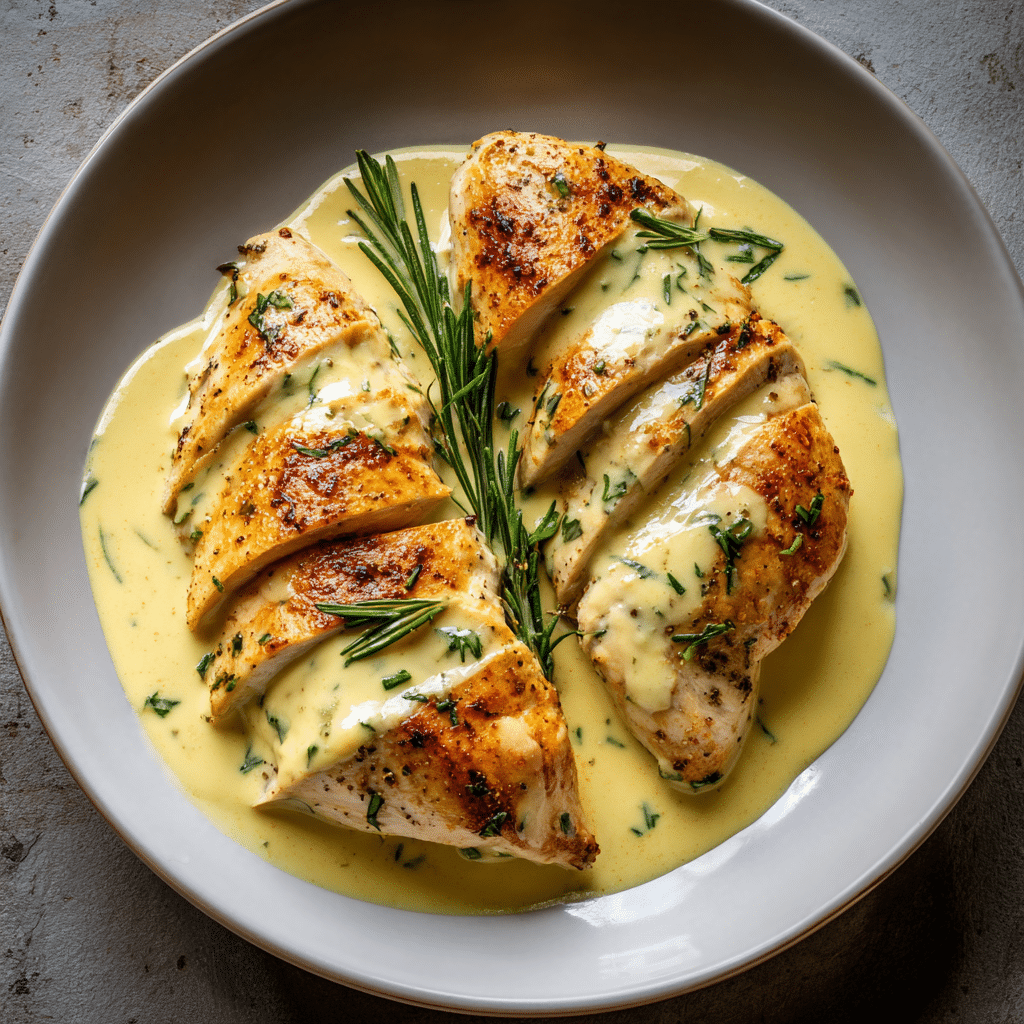
A sprinkle of freshly chopped tarragon or parsley not only enhances flavor but adds a lovely burst of green color. For a touch of brightness, a few thin lemon wedges on the side offer optional citrus notes that contrast beautifully with the creamy sauce.
Side Dishes
Serve this dish alongside silky mashed potatoes or buttery egg noodles to soak up every drop of the creamy mustard sauce. Steamed green beans or sautéed asparagus bring a crisp texture and vibrant color that balances the plate perfectly.
Creative Ways to Present
For a special dinner, plate the chicken thighs atop a bed of creamy polenta or wild rice, spoon the sauce luxuriously over the top, and garnish with edible flowers or microgreens. This elevates the experience and makes the dish look like it came straight out of a cozy French bistro.
Make Ahead and Storage
Storing Leftovers
Once cooled, store any leftover Creamy Mustard Tarragon Chicken in an airtight container in the refrigerator. It will stay delicious for up to 3 days. Keeping the chicken nestled in the sauce helps preserve its moisture and flavor.
Freezing
This dish freezes well if you want to prep ahead. Place portions in freezer-safe containers and freeze for up to 2 months. When you’re ready to enjoy it, thaw overnight in the fridge for best texture retention.
Reheating
Reheat gently on the stovetop over low heat to prevent the cream sauce from separating. Stir occasionally until warmed through. Adding a splash of cream or stock can revive the sauce’s silky consistency if it thickens too much.
FAQs
Can I use chicken breasts instead of thighs?
Absolutely! Chicken breasts work as a leaner alternative, but be careful not to overcook them, as they are leaner and can dry out faster than thighs. Adjust cooking time accordingly and consider pounding them to an even thickness for best results.
Is fresh tarragon necessary, or can I use dried?
Fresh tarragon really makes the dish come alive with its unique flavor and aroma. While dried tarragon can work in a pinch, use less as it’s more concentrated and doesn’t provide the same brightness as fresh.
Can I make this dish dairy-free?
Yes, you can substitute the heavy cream with coconut cream or a dairy-free creamer, and opt for a mustard that doesn’t contain dairy. Keep in mind the flavor will adapt slightly but still be deliciously creamy.
What wine pairs well with Creamy Mustard Tarragon Chicken?
A crisp, acidic white wine like Sauvignon Blanc or a lightly oaked Chardonnay complements the dish beautifully, balancing the richness of the cream and the tang of the mustard with refreshing notes.
How do I prevent the cream sauce from curdling?
Heat the cream gently on low to medium heat and avoid boiling it vigorously. Adding the cream gradually while stirring helps keep the sauce smooth and prevents curdling. Also, make sure the pan isn’t too hot when you add the cream.
Final Thoughts
There’s something wonderfully comforting about sinking your fork into a warm plate of Creamy Mustard Tarragon Chicken. It’s a beautiful blend of creamy, tangy, and herbal flavors that feel both rustic and elegant. I encourage you to give this recipe a try—you might just find yourself making it a beloved staple, perfect for both casual dinners and those moments when you want to impress with minimal fuss.