Seafood Paella Recipe
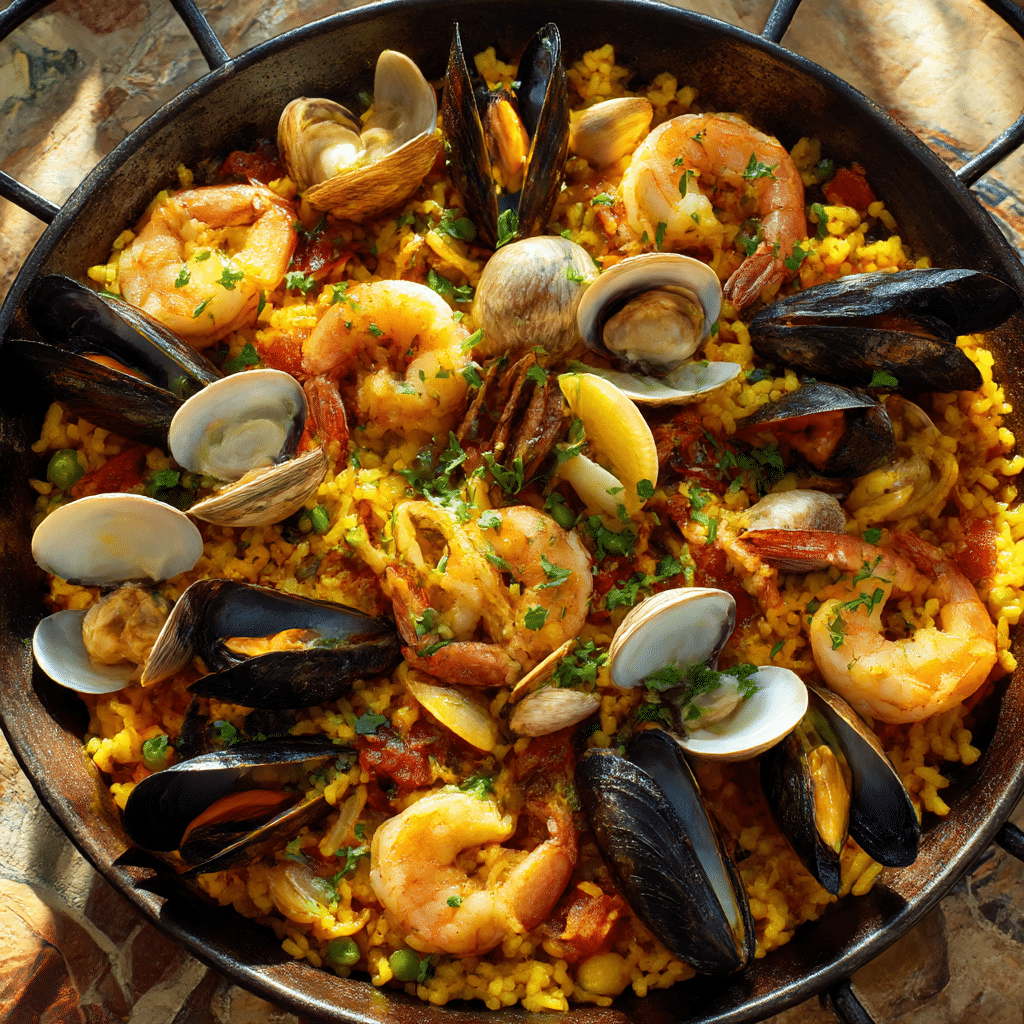
If you’ve ever dreamed of capturing the vibrant spirit of Spain in one unforgettable dish, then Seafood Paella is the perfect culinary adventure to embark on. This classic Spanish rice dish bursts with the sweet flavors of shrimp, mussels, and calamari, all nestled in a saffron-infused, golden-hued bed of rice. It’s not just a meal; it’s a celebration of the sea, sunshine, and heritage that makes Spanish seafood cooking so beloved around the world.
Ingredients You’ll Need
Creating a beautiful Seafood Paella starts with a handful of simple but essential ingredients that each bring their own magic to the dish. From the fragrant saffron threads that lend the golden color and signature aroma, to the briny seafood that forms the heart of the dish, every component plays a crucial role in building flavor, texture, and visual appeal.
- Arborio rice: Its ability to absorb liquid while remaining slightly firm makes it ideal for paella’s luscious texture.
- Shrimp, mussels, calamari: Fresh seafood delivers the authentic ocean taste essential to Spanish seafood paella.
- Saffron: The precious spice that provides a brilliant golden color and delicate floral notes.
- Onion, garlic, bell pepper: These aromatic vegetables build a savory foundation for the seafood’s flavors.
- Olive oil: Rich and fruity, it ensures a smooth saute and enhances the overall depth.
- Chicken stock: Used for cooking the rice, it adds warmth and richness that balances the dish beautifully.
How to Make Seafood Paella
Step 1: Sauté the Aromatics
Start by warming up some olive oil in a wide, shallow pan. Add finely chopped onion, garlic, and bell pepper. Sauté them gently over medium heat until they soften and release their sweet, fragrant essence. This step is crucial as it lays the savory foundation, harmonizing perfectly with the seafood that’s coming.
Step 2: Toast the Rice with Saffron
Next, stir in the Arborio rice, making sure each grain is coated in that beautiful olive oil mixture. Sprinkle the saffron threads over the rice and gently toast everything together. This not only deepens the saffron’s aroma but also helps the rice start absorbing flavor before the liquid arrives.
Step 3: Add Stock and Seafood
Pour the warm chicken stock into the pan, allowing the rice to soak up every drop. Then, nestle in the shrimp, mussels, and calamari on top, giving them enough space to cook evenly. Let it simmer without stirring too much; this encourages the rice to form that prized crispy crust on the bottom while the seafood steams tenderly in its own juices.
Step 4: Cook Until Perfect
Continue cooking gently until the rice absorbs all the liquid and the seafood is cooked through and tender—about 20 to 25 minutes. You’ll notice the colors become even more vibrant, and the kitchen starts to fill with intoxicating aromas of the sea and saffron.
How to Serve Seafood Paella
Garnishes
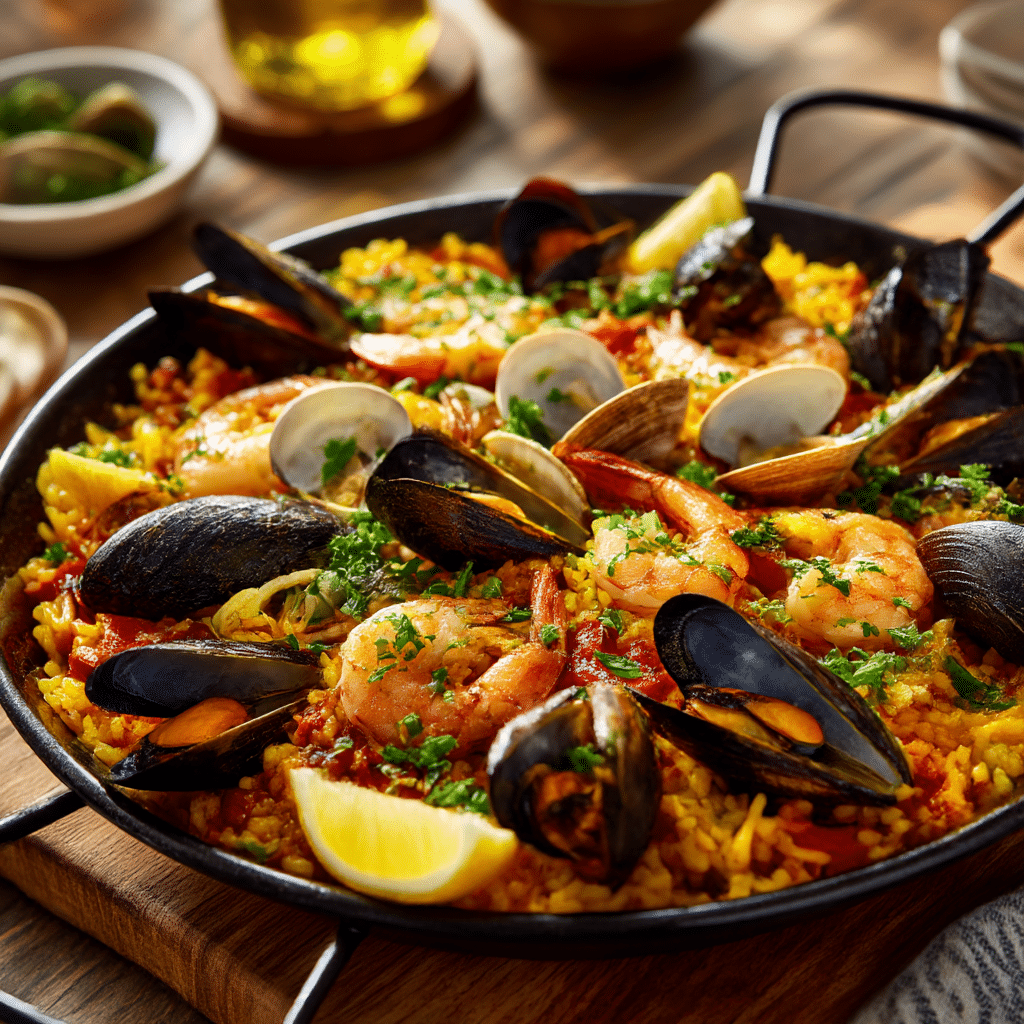
A sprinkle of freshly chopped parsley and a few lemon wedges add a burst of freshness and brightness to your Seafood Paella. They help balance the rich flavors with a lively zing that elevates every bite.
Side Dishes
Keep your sides simple to let the paella shine. A crisp green salad with a tangy vinaigrette or some crusty rustic bread to scoop up every last morsel of the saffron-infused juices makes the perfect accompaniment.
Creative Ways to Present
For gatherings, serve your Seafood Paella directly from the pan right at the table—it creates a stunning, communal experience. Or, try plating it with a drizzle of smoked paprika oil for an aromatic twist that will wow your guests.
Make Ahead and Storage
Storing Leftovers
Seafood Paella tastes wonderful even the next day. Once cooled, store leftovers in an airtight container in the refrigerator for up to two days. The flavors meld beautifully overnight, making your second helping just as enjoyable.
Freezing
While freezing can slightly alter the texture, it’s possible to freeze Seafood Paella for up to a month. Make sure to cool it completely, pack it tightly in freezer-safe containers, and label them clearly for quick enjoyment later.
Reheating
Reheat gently in a skillet over low heat, adding a splash of water or stock to revive the texture of both the rice and seafood. Avoid the microwave if possible to preserve the dish’s delicate flavors and textures.
FAQs
Can I use other types of rice for Seafood Paella?
Arborio rice works best because it absorbs liquid and flavor well, but if you can find Spanish bomba rice, it’s an excellent choice for authentic texture and taste. Long grain rice is less ideal as it won’t soak up the saffron stock quite the same way.
Is it necessary to use saffron?
Saffron is the true star that gives paella its distinctive color and flavor. While you can substitute with turmeric for color, it won’t replicate the same aromatic complexity, so saffron is highly recommended for the best results.
Can I make Seafood Paella without mussels or calamari?
Absolutely! Feel free to customize with the seafood you love or have on hand, such as clams, scallops, or firm white fish. The key is to add them at the right time so they cook just right without becoming tough.
Why shouldn’t I stir the rice after adding the stock?
Stirring after adding stock prevents the rice from forming the beloved crust at the bottom, called ‘socarrat.’ This crispy layer is cherished in paella and adds delightful texture and flavor.
Can Seafood Paella be made vegetarian?
Traditional paella celebrates seafood, but you can create a vibrant vegetarian version using vegetable stock, artichokes, green beans, peas, and roasted red peppers to still capture that festive Spanish spirit.
Final Thoughts
Seafood Paella is more than just a dish; it’s a celebration you can bring to your own home—a flavorful, colorful tribute to Spanish culinary tradition that never fails to impress. Whether you’re cooking for friends, family, or just treating yourself, this recipe invites you to savor the magic of the Mediterranean coast in every bite. So, roll up your sleeves and dive in—your delicious journey with Seafood Paella awaits!