Milk Foam with Vanilla Oil Recipe
If you have ever thought milk foam was just for topping your coffee, wait until you try the delightful Milk Foam with Vanilla Oil. This elegant yet simple creation brings a light, airy texture paired with the subtle warmth of vanilla-infused oil, transforming a humble milk foam into a sophisticated treat. It’s perfect for layering subtle flavors and textures on your desserts or drinks, making every bite or sip feel like a comforting hug. Whether you’re looking to impress guests or simply elevate your everyday coffee moment, this recipe is a little kitchen magic you’ll come back to again and again.
Ingredients You’ll Need
The beauty of Milk Foam with Vanilla Oil lies in its simplicity. Each ingredient is carefully chosen to maintain that light, airy texture, while the vanilla oil adds a fragrant nuance that elevates the foam without overpowering it.
- Whole milk: For creating a rich yet airy foam, whole milk’s fat content helps achieve that perfect froth.
- Vanilla beans or extract: The source of the vanilla flavor; using real beans or high-quality extract ensures an authentic taste.
- Neutral oil (like grapeseed): A light oil that won’t interfere with the flavor but acts as a carrier for the vanilla infusion.
- Sugar (optional): Just a touch enhances the natural sweetness of the milk foam without making it cloying.
How to Make Milk Foam with Vanilla Oil
Step 1: Prepare the Vanilla Oil
Start by infusing your neutral oil with vanilla to capture that exquisite aroma. Split a vanilla bean in half, scrape the seeds into the oil, and gently warm it over low heat for about 20 minutes. This step releases the vanilla’s natural essence into the oil, creating the perfect finishing touch for your milk foam.
Step 2: Froth the Milk
Pour chilled whole milk into a frothing device or use a whisk to vigorously beat the milk until it becomes airy and light with soft peaks. Achieving this texture is key to that signature airy experience Milk Foam with Vanilla Oil offers. Be careful not to over-froth, as you want a delicate softness rather than stiff foam.
Step 3: Sweeten the Foam (Optional)
If you want a slightly sweet touch, gently fold in a tiny bit of sugar while the milk is still warm to dissolve it smoothly. This step is optional but can really round out the flavor without stealing the spotlight from the vanilla oil.
Step 4: Plate and Finish
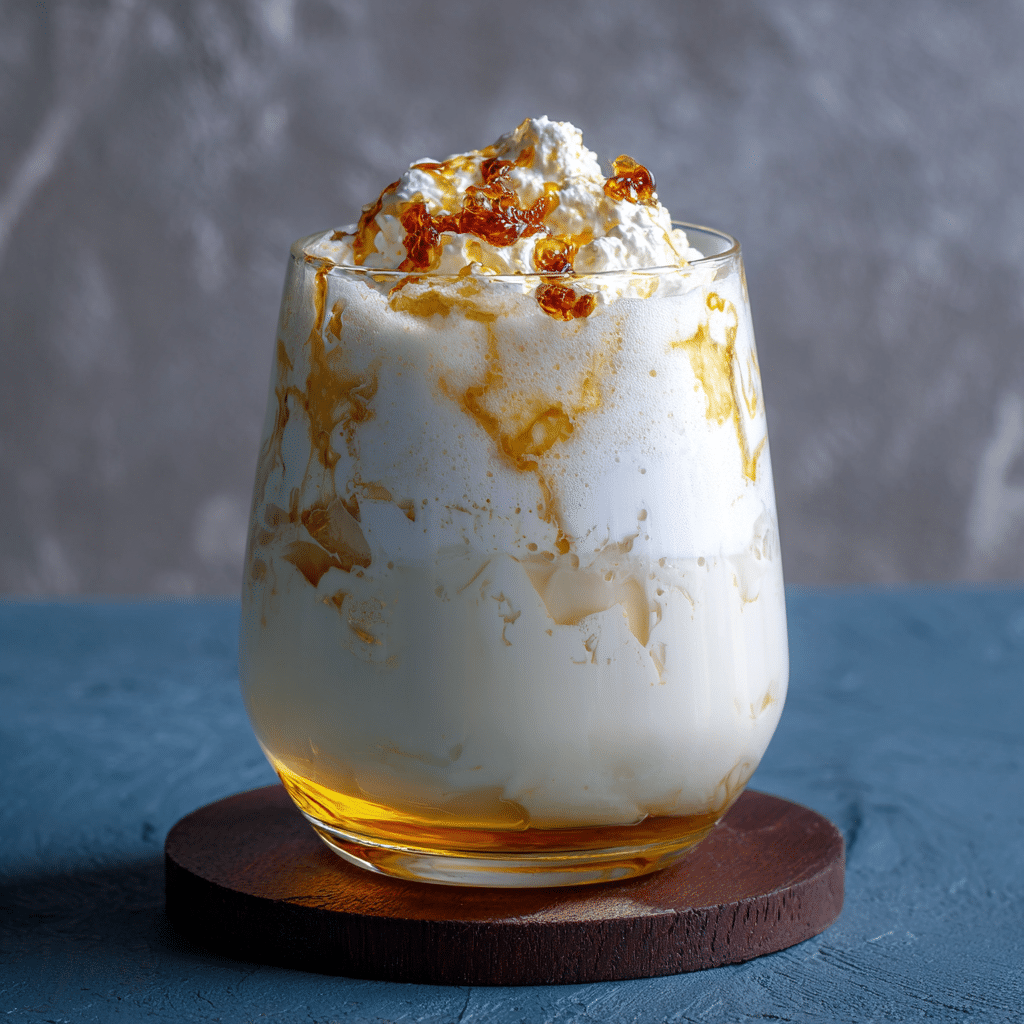
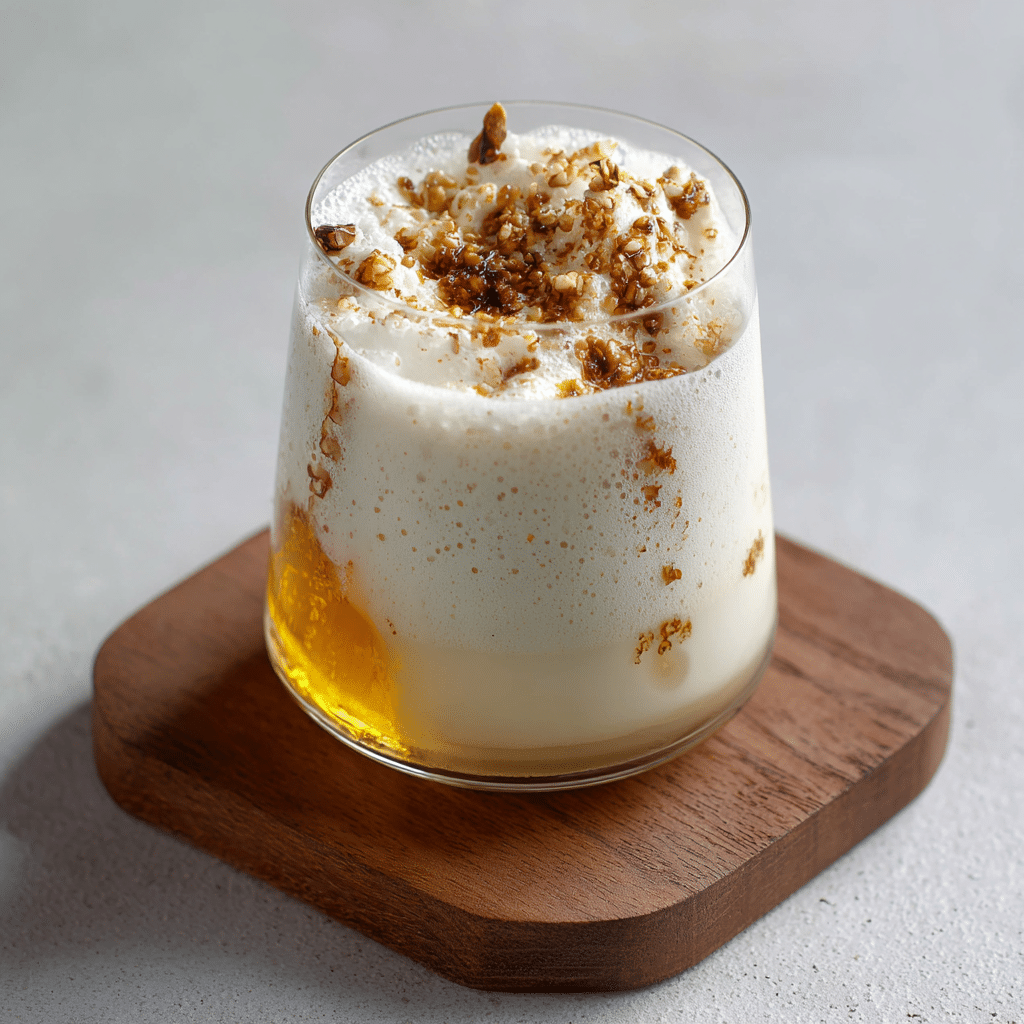
Spoon the milk foam gently into a shallow bowl or cup, creating a low, soft mound. Then, using a dropper or teaspoon, carefully place 3 to 4 tiny drops of your prepared vanilla oil on the surface. This not only adds visual interest but an aromatic burst with every bite or sip.
How to Serve Milk Foam with Vanilla Oil
Garnishes
Keep it simple to let the Milk Foam with Vanilla Oil shine. A delicate sprinkle of finely grated lemon zest or a few tiny edible flowers can add a lovely fresh note and visual charm without overpowering the foam’s delicate flavor.
Side Dishes
This milk foam pairs beautifully alongside breakfast treats like buttery croissants, warm pastries, or even light fruit tarts. It acts like a subtle, creamy companion that lifts the flavors of your dish without competing.
Creative Ways to Present
Try serving the foam atop a small glass of espresso or matcha for a playful twist. Or drizzle some extra vanilla oil around the plate for added fragrance and elegance. Tiny spoons or bite-sized desserts arranged nearby invite guests to experiment with flavor and texture.
Make Ahead and Storage
Storing Leftovers
Milk foam is best enjoyed fresh, but you can refrigerate any leftover foam in an airtight container for up to 24 hours. Expect some loss in volume and texture, so gently whisk it again before serving. The vanilla oil can be stored separately in a sealed bottle for weeks.
Freezing
Freezing is not recommended for Milk Foam with Vanilla Oil, as the delicate texture and aroma will degrade. The foam will collapse and the vanilla oil may separate, losing the charm that makes this dish special.
Reheating
Gently warm stored milk foam over a double boiler to revive some of its softness, but avoid direct heat or microwave as it can deflate the foam. Add fresh vanilla oil drops just before serving to refresh the flavor.
FAQs
What type of milk is best for making milk foam?
Whole milk is ideal because its fat content helps create a creamier, more stable foam. However, you can experiment with other milk types, keeping in mind that lower fat milks tend to produce less stable foam.
Can I use vanilla extract instead of vanilla beans for the oil?
Yes, vanilla extract is a convenient alternative. Just mix it with your neutral oil without heating, then let it sit for a few hours to infuse. The flavor will be less intense but still add a lovely vanilla note.
Is the sugar necessary in the foam?
Sugar is optional and used to gently enhance sweetness. If you prefer a purely creamy texture without added sweetness, omit it altogether for a more neutral profile.
How many drops of vanilla oil should I add?
Stick to 3 or 4 drops placed delicately on the foam’s surface. This precise amount keeps the oil’s aroma noticeable without overpowering the airy milk foam.
Can I make this recipe dairy-free?
You can try using almond or oat milk, but the texture might be less stable and not as creamy. Adjust your expectations, and consider frothing techniques designed specifically for plant-based milks.
Final Thoughts
Milk Foam with Vanilla Oil is one of those simple, elegant creations that feels luxurious despite its minimal ingredients and easy preparation. It’s a small touch that transforms ordinary moments into something memorable, whether in your morning coffee or paired with your favorite dessert. Give this recipe a try—you might just find a new favorite way to enjoy vanilla and milk in perfect harmony.