Easy Flatbread Recipe
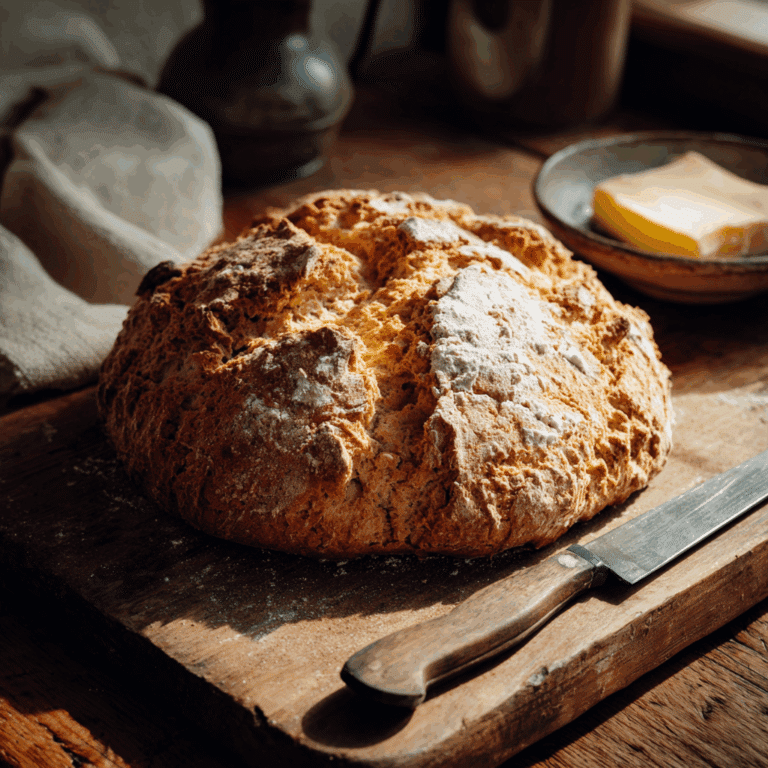
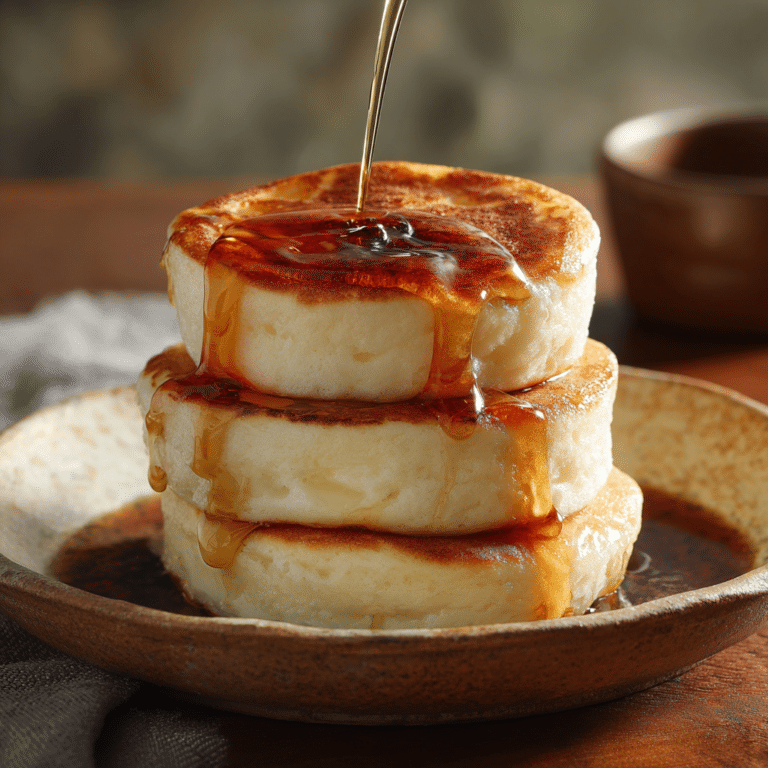
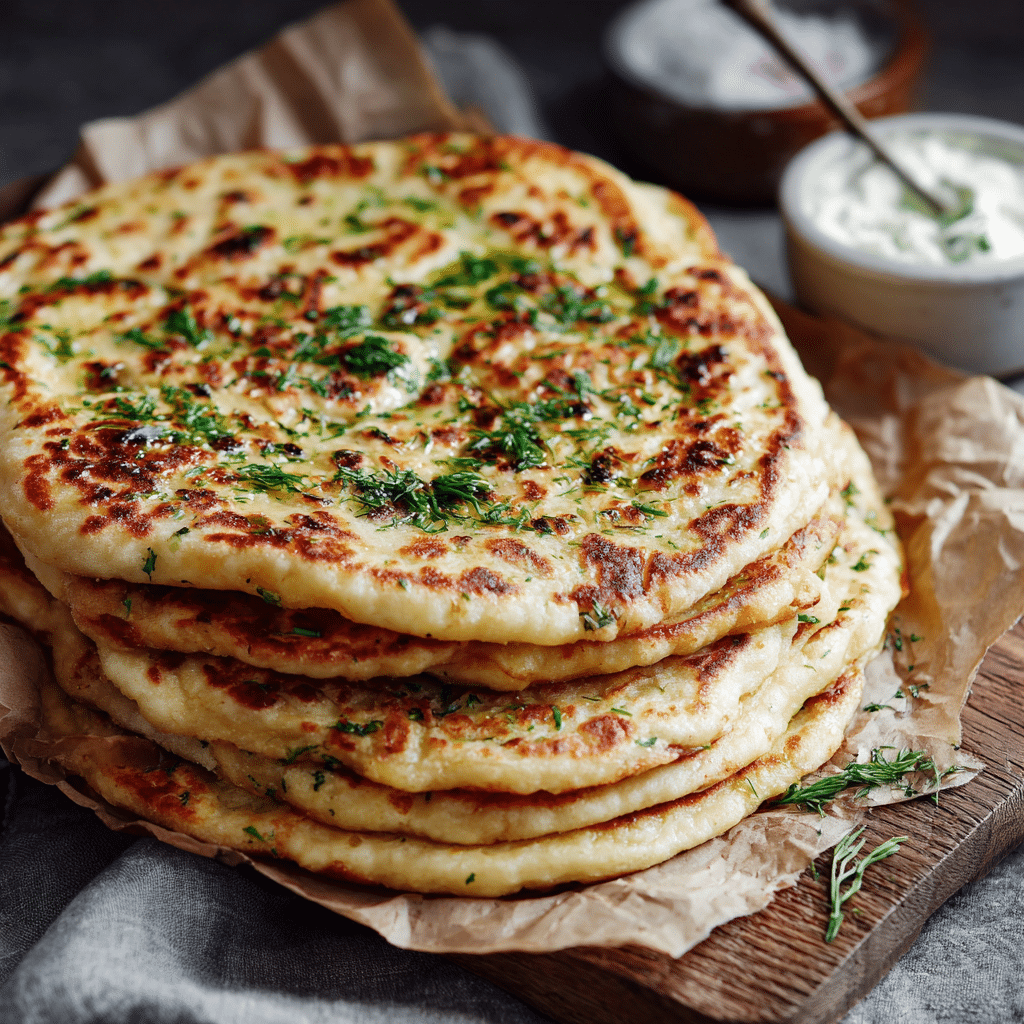
If you’ve ever thought that homemade flatbread is complicated or time-consuming, this Easy Flatbread Recipe will quickly change your mind. It requires no yeast, only simple pantry staples, and comes together in just about 25 minutes from start to finish. The result? Soft, pillowy flatbreads with the perfect combination of chew and golden crispiness that you can enjoy anytime. Made this? Rate this recipe: and let me tell you, once you try it, it might just become a staple in your kitchen for everything from sandwiches to snacks to side dishes.
Ingredients You’ll Need
The beauty of this flatbread lies in its simplicity. Each ingredient plays a crucial role, whether it’s building the structure or adding just a hint of flavor to keep things balanced. No fancy items required, just basics that blend seamlessly to create something truly special.
- 3 cups unbleached all-purpose flour: The foundation to give the flatbread its body and structure.
- 2 teaspoons baking powder: Acts as the leavening agent so the bread gets light and fluffy without yeast.
- 1 ½ teaspoons salt: Enhances flavor and balances the dough.
- 3 tablespoons olive oil or vegetable oil: Adds moisture and richness to the dough.
- 1 cup ice water: Keeps the dough cool and helps it come together smoothly without being sticky.
- 2–3 tablespoons oil for cooking: Helps achieve that golden, crispy crust on the skillet.
- Optional Topping – ¼ to ⅓ cup olive oil or melted butter: For brushing to add richness after cooking.
- 1 teaspoon garlic powder: Adds a subtle, aromatic punch when brushed on flatbread.
- Pinch of salt: Balances out the garlic butter topping perfectly.
- 2 teaspoons chopped parsley: Provides a fresh and colorful finishing touch.
How to Make Made this? Rate this recipe:
Step 1: Combine Dry Ingredients
Start by whisking together the flour, baking powder, and salt in a large mixing bowl. This ensures your leavening and seasoning are evenly distributed before adding any liquid, setting a solid base for the dough.
Step 2: Form the Dough
Add in the ice water and olive oil, then stir with a wooden spoon or spatula until the dough starts to come together. You’re aiming for a soft, moist dough that isn’t sticky – if it feels dry, add a splash more water; too sticky, sprinkle a bit more flour. Cover it with plastic wrap and let it rest for 10 minutes to relax the gluten and make rolling it out easier.
Step 3: Divide and Shape
Lightly dust your work surface with flour and turn the dough out. Flatten it slightly, then divide into 10 to 12 equal portions. Rolling each piece into a ball is optional but helps you handle the dough more easily when shaping and cooking.
Step 4: Roll Out the Flatbreads
Take one dough ball and gently roll or press it out to about ¼ inch thickness. This thickness strikes the perfect balance between a tender bite and crispy edges once cooked.
Step 5: Cook to Golden Perfection
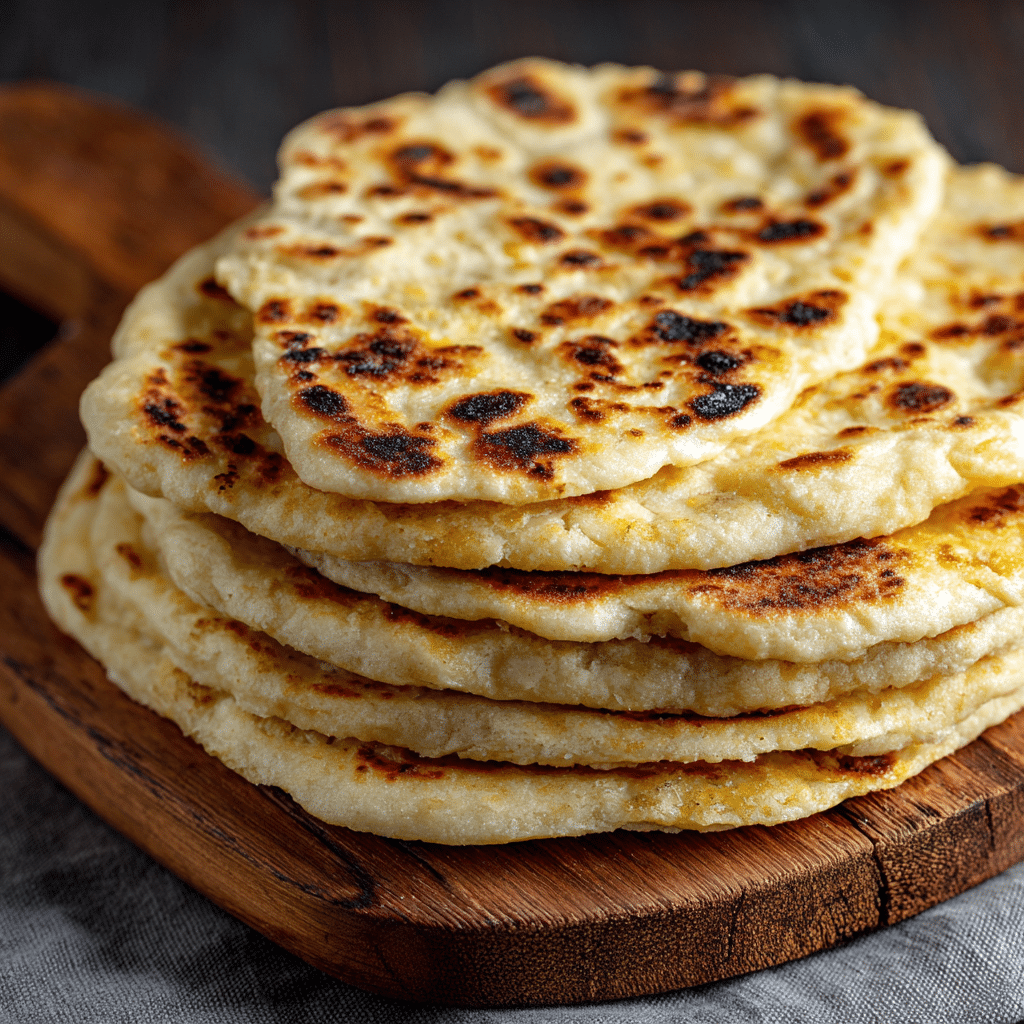
Heat a cast iron or heavy-bottom skillet over medium heat and add about a tablespoon of oil. Cook the flatbreads for 2-3 minutes on one side until golden brown, then flip and cook the other side for an additional 2 minutes. Adjust the heat as needed so they cook evenly without burning.
Step 6: Add Optional Garlic Butter Topping
While still warm, brush with a blend of melted butter or olive oil combined with garlic powder and salt. Sprinkle chopped parsley on top for a burst of color and vibrant flavor. Serve immediately or let cool slightly to enjoy later.
How to Serve Made this? Rate this recipe:
Garnishes
Simple garnishes like chopped fresh herbs, a sprinkle of flaky sea salt, or a drizzle of garlic-infused oil can elevate your flatbread instantly. Don’t hesitate to experiment with lemon zest or freshly cracked black pepper for added brightness.
Side Dishes
This flatbread pairs beautifully with Mediterranean dips such as hummus, baba ganoush, or tzatziki. It also makes a great accompaniment to grilled meats, fresh salads, or even soups for a well-rounded meal.
Creative Ways to Present
Serve flatbreads as a build-your-own pizza base or stack them with layers of cheese, meats, and veggies for mini sandwiches. Cut into wedges for a party platter or wrap them around roasted veggies and spreads to make handheld wraps that everyone will love.
Make Ahead and Storage
Storing Leftovers
Once fully cooled, store your flatbreads in an airtight container or zipped plastic bag at room temperature for up to two days. Keeping them sealed helps retain moisture and softness without getting chewy or hard.
Freezing
To keep flatbreads fresh longer, layer parchment paper between each piece and freeze in a sealed bag. They freeze beautifully for up to one month and thaw quickly when you’re ready to enjoy.
Reheating
Reheat flatbreads on a skillet over medium heat for a minute or two on each side until warm and pliable. You can also wrap them in foil and warm them in the oven or pop them briefly in the microwave, though the skillet method preserves crispness best.
FAQs
Can I substitute whole wheat flour for all-purpose flour?
Yes, you can substitute whole wheat flour, but keep in mind the texture will be denser and the flavor nuttier. You might want to start with a 50/50 mix to maintain some lightness and adjust water as whole wheat absorbs more liquid.
What if I don’t have a cast iron skillet?
A heavy-bottomed non-stick or stainless steel skillet works just fine. The key is to ensure it heats evenly for golden, even cooking. Avoid very thin pans as they can burn the bread quickly.
Can I add herbs or spices directly into the dough?
Absolutely! Adding dried herbs like oregano or rosemary, or even spices like cumin, can infuse your flatbread with interesting flavors. Just fold them in with the dry ingredients before mixing your dough.
Why is my dough sticky or too dry?
This often depends on your flour brand and humidity. If the dough is sticky, sprinkle a little flour and knead lightly; if it’s dry, add ice water a teaspoon at a time until the dough feels soft and manageable.
How thin should I roll the flatbread?
About ¼ inch thickness is ideal. Thinner flatbreads will be crispier, while thicker ones will be softer and chewier. Feel free to adjust thickness depending on your preference but remember cooking times may vary.
Final Thoughts
This easy flatbread recipe proves that delicious, fresh bread doesn’t have to be complicated or require special ingredients. The quick prep and foolproof method make it a fantastic go-to recipe anytime. Made this? Rate this recipe: and I’d love to hear how you customized it or what you paired it with. Once you try it, I’m sure it will become one of your favorite kitchen hacks for meals that feel homemade, hearty, and utterly satisfying.